
Hunting course
CORE Hunter Education
Becoming a safe, ethical and confident hunter starts here. Our in-person CORE course gives you the knowledge and skills to begin your hunting journey in British Columbia.

At a glance
Everything you need to know before you book
Length
16 to 18 hours of tuition over two days, excluding breaks and examination time.
Class size
Up to 25 students.
Prerequisites
There is no minimum skill level required for the course. Hunters must be resident in BC for 6 months before being able to hunt without additional requirements in effect.
Minimum age
10 years to apply for the CORE certificate.
Language
Taught in English only.
Exams
An 80-question multiple-choice written exam and a practical firearms handling exam.
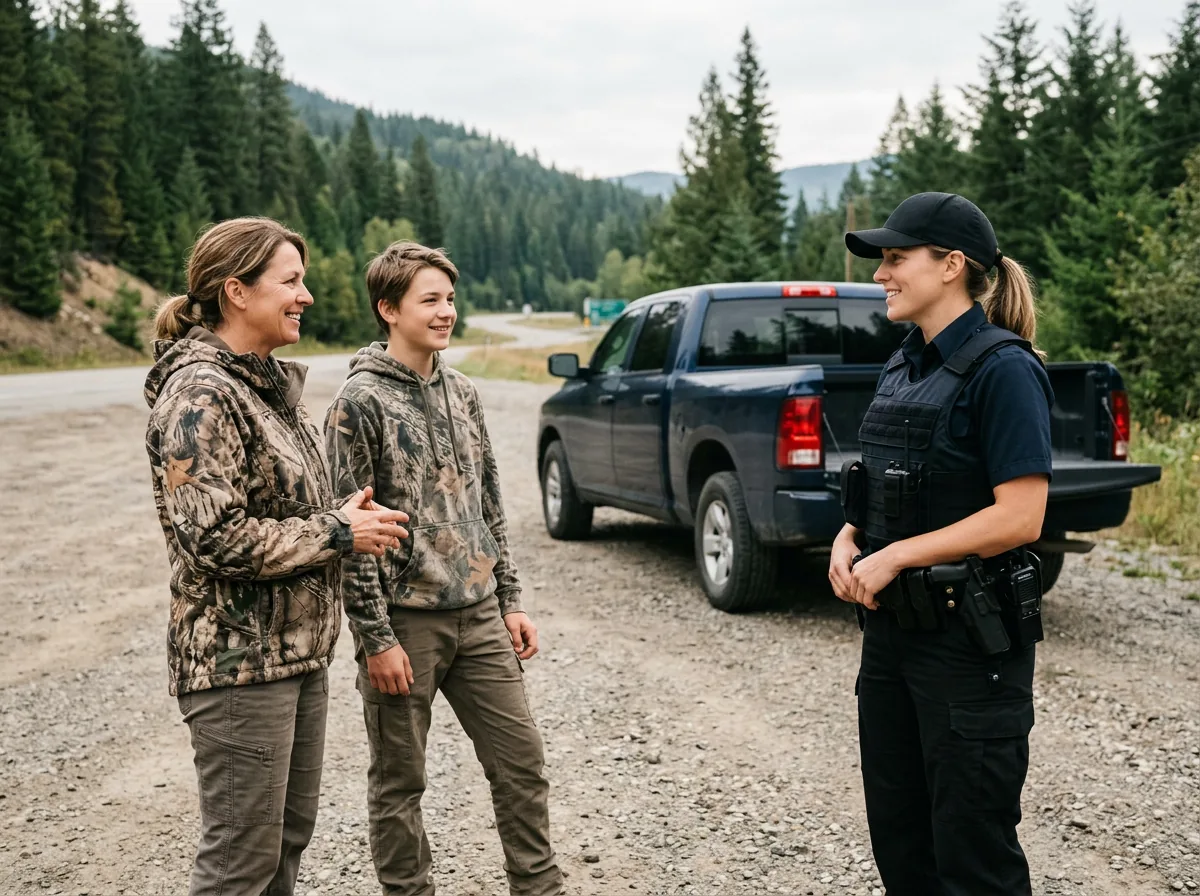
We know licensing
The mandatory first step for BC hunters
The Conservation and Outdoor Recreation Education (CORE) program is the mandatory first step for aspiring hunters in British Columbia. While taking the course is optional, successful completion of the exams, whether through the course or by challenge, is required to obtain your hunting licenses and species tags.
At On Point Training, we deliver the CORE program in an engaging classroom environment led by experienced instructors. The course covers critical topics such as conservation, ethics, wildlife identification, first aid and firearms safety, and much more that you will not find in the self-study materials.
You will also complete a practical firearms handling test and an 80-question multiple-choice written exam. Whether you are new to hunting or looking to formalise your knowledge, our in-person course prepares you for the next step toward responsible hunting.
The CORE course and exams can be taken by students aged 10 years and over.
Where this fits
From classroom to first hunt
CORE is the foundation. Our Learn To Hunt program builds fieldcraft on top of it.
1
CORE Hunter Education
Conservation, ethics, wildlife identification, regulations, survival and firearms safety, with both exams at the end.
2
Learn To Hunt
Our modular fieldcraft program for the skills CORE does not teach: scouting, air movement, scent control, positioning and field dressing.
3
Get out there
Hunt with confidence, precision and responsibility, and keep learning with each season.
Students who complete the CFSC with On Point Training are exempt from the CORE practical firearms handling exam, and we already have the evidence on file.
Course outline
What the CORE course covers
Taught in person, over two days, in a classroom setting.
Conservation principles and wildlife management
Ethical hunting practices
Hunting laws and regulations
Wildlife identification (game animals and birds)
Firearms safety and handling
Outdoor survival skills and first aid
Indigenous Peoples' perspectives on hunting
What to expect
A dynamic classroom, not a lecture
Our CORE Hunter Education course invests heavily in contextual learning. If a student understands why a topic is applicable and how they can use the information, they are far more likely to remember and use it.
Designed to provide a safe, engaging and supportive environment, the course combines interactive lectures, group discussions and hands-on learning. Our instructors discreetly assess individual learning styles and adapt their approach to maximise retention.
We also offer tailored strategies to support students facing barriers such as classroom anxiety, physical impairments or other challenges. If you would like to discuss your needs, we are here to help.
In-depth tutorials on the Hunting Regulations Synopsis.
Guidance on ethics and integrity and the choices they involve.
Hands-on firearms instruction with an RCMP-certified firearms instructor.
A deep dive into modern hunting equipment, including a backcountry kit bag dump.
Interactive practice exam questions, with examinations at the end of the course.
Bring your valid photo ID, come well-rested, and let us help you take your first step.

Youth licensing
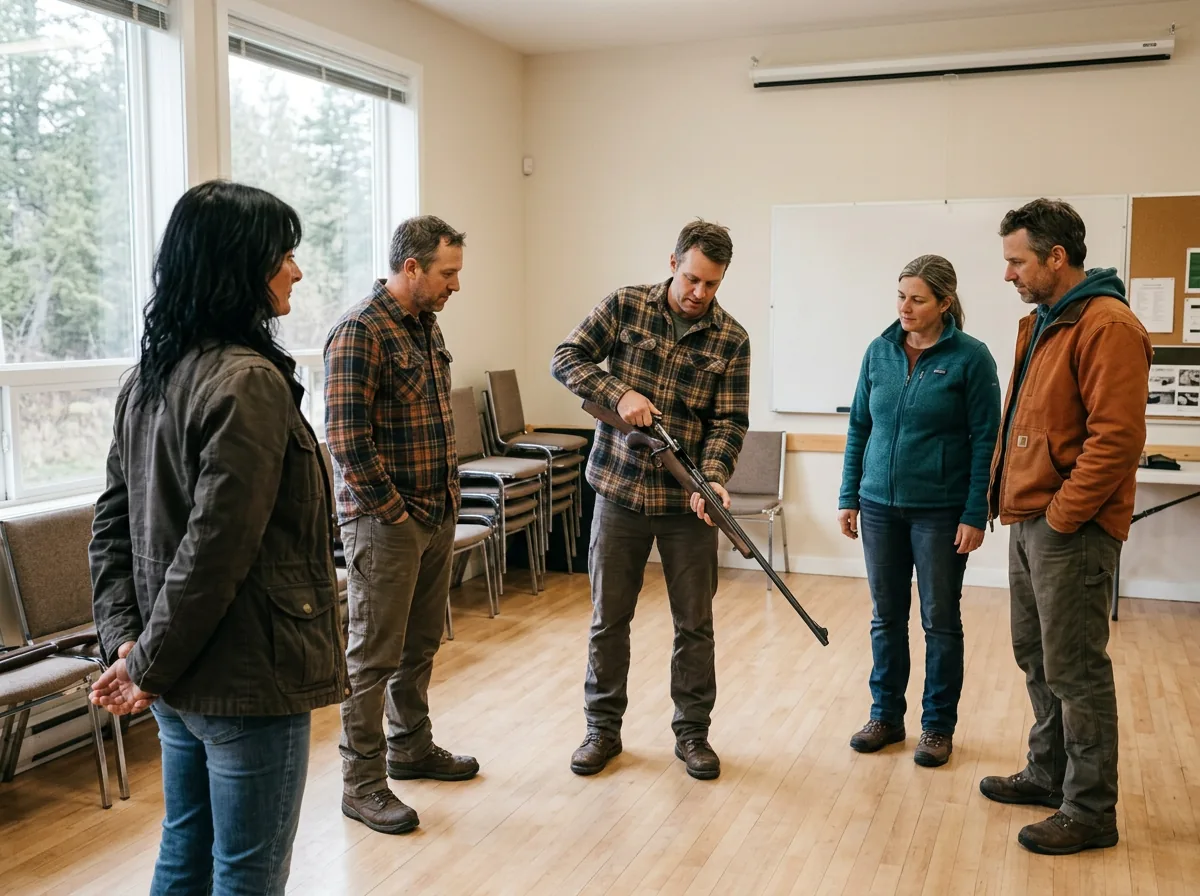
Hunting as a youth in BC
A youth hunter in BC is a person 10 years of age or older and under the age of 18. A person under the age of 10 must not hunt wildlife.
Youths can legally hunt under either a Youth Hunting License or a Resident Hunting License. A Youth Hunting License does not require passing the CORE exams and is cheaper, but it does not allow the purchase of species licenses (tags): any animal harvested must be tagged under the supervising hunter's species licenses. On reaching 18, the youth must pass the CORE exams to obtain an annual hunting license.
A Resident Hunting License can be obtained by a youth after passing the CORE exams, and it allows the youth to purchase their own species licenses. On reaching 18, a youth who took this route does not have to retake the course or exams.
A youth hunter must always hunt with a supervising hunter.
Exam challenge available
Already self-studied? Challenge the exams
If you have studied on your own and feel ready, we can provide the facility for you to sit the exams. Experience shows you should allow around 90 minutes for the written-only exam.
The written examination is 80 multiple-choice questions based on the CORE Manual and the Hunting and Trapping Regulations Synopsis. You need at least 60 points overall to pass. There is no time limit, although most students take 60 to 90 minutes. A failed exam must be retaken on a date other than the day of the original test.
The practical firearms handling exam requires the safe handling of two of the five types of firearm actions, including identification and loading or unloading with dummy ammunition. A minimum score of 23 out of 30 is required, and the examiner provides the firearms.
One important note: your PAL or POL card is not sufficient evidence to meet the practical testing requirement. You need a copy of your CFSC course report form (RCMP 5484 or similar). Students who passed the CFSC with On Point Training have this on file with us.
Where to next
Keep building your knowledge

Learn To Hunt
Our modular fieldcraft program: scouting, air movement, scent control, field dressing and more.
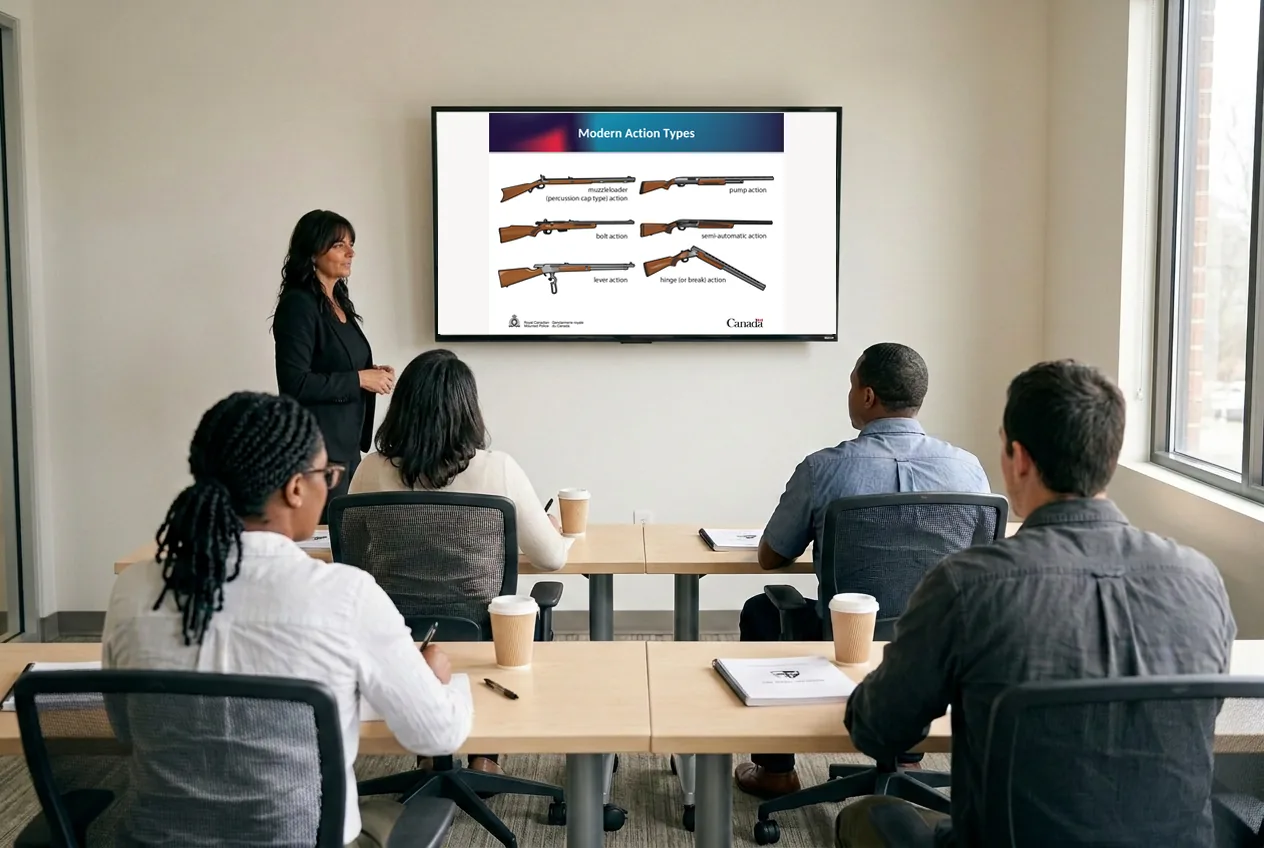
Firearms safety courses
The CFSC and CRFSC, the federally mandated first step toward your PAL.
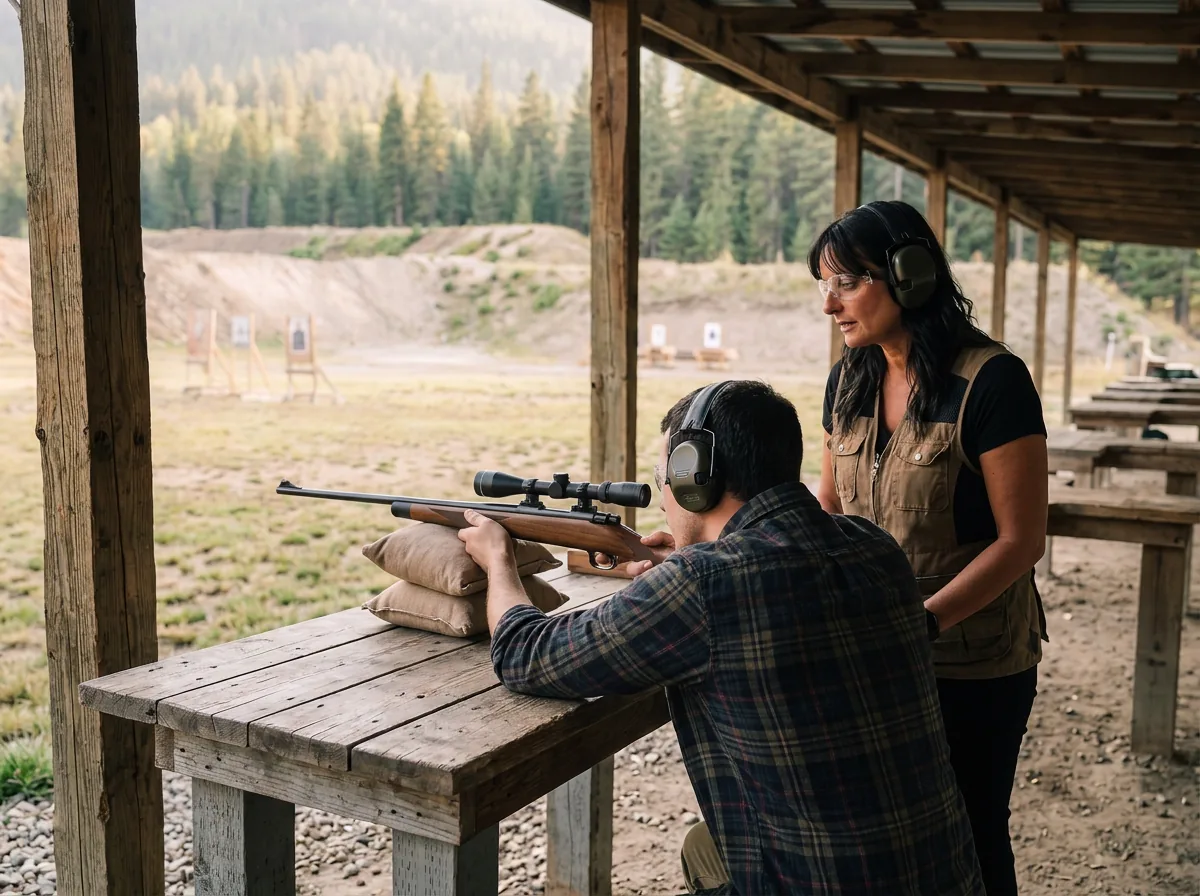
Live-fire courses
Group and 1:1 live-fire training, from your first shot through to advanced skills.
Questions people ask
CORE questions
Do I have to take the course to hunt in BC?
The course itself is optional, but successful completion of the exams, whether through the course or by challenge, is required to obtain your hunting licenses and species tags without other costraints being in effect.
What is the minimum age?
The minimum age to apply for the CORE certificate is 10 years. The course and exams can be taken by students aged 10 and over.
How long is the course?
16 to 18 hours of tuition over two days, excluding breaks and examination time.
What exams do I have to pass?
An 80-question multiple-choice written exam (60 points overall to pass) and a practical firearms handling exam (23 out of 30 to pass).
Can I skip the practical exam?
If you have completed the CFSC and can provide your CFSC report form (RCMP 5484 or similar), you are exempt. A PAL or POL card is not sufficient evidence. Students who completed the CFSC with On Point Training have their evidence on file with us.
Can I self-study instead?
Yes, and many do although we do see a significantly higher failure rate in exam challenges. This is possibly due to a failure to recognise the study as covering all aspects of hunting in BC, not just the aspects the student may be familiar with.
Do I need to bring a firearm?
No. The examiner provides deactivated firearms for the practical handling exam.
Is there a youth option?
Yes. A youth hunter in BC is 10 or older and under 18, and can hunt under a Youth or a Resident Hunting License. Talk to us and we will walk you through which route suits your family.
Upcoming hunting courses
All courses are pre-booked, so secure your seat ahead of time.
Start your hunting journey
Book a seat on the next CORE course, or ask us about challenging the exams.