
Range course
Range Orientation
Learn to navigate the range safely and confidently, from arrival procedures to closing up at the end of the day.

At a glance
Everything you need to know before you book
Length
2 to 3 hours
Class size
Small groups, with a typical cap of six per session.
Prerequisites
None. You do not need to have taken the CFSC or CRFSC.
Format
Outdoor, at the range, with a small amount of walking. Dress for the weather.
Live fire
No. There is no live-fire component for students in this course. Members may be shooting at the range during your class; private sessions are available on request.
Goal
Build confidence in new range users to navigate the range and understand range etiquette.

We know confidence
Know the range before you shoot
A first visit to a range can be overwhelming. Protocols, etiquette and expectations are unfamiliar, and it is hard to relax and learn when you are worried about doing the wrong thing. We hear from many PAL holders that they do not go to the range because it is intimidating and we want to change that.
At the same time, experienced shooters who have never received formal training can develop habits that quietly compromise safety. Both situations are exactly why this course exists.
Our instructors bring over 70 years of combined experience in firearms handling and training. From that experience comes our guiding idea: safety is rooted in humble confidence, and humble confidence is built through high-quality instruction.
Range Orientation covers everything from arrival procedures to closing up at the end of the day, so you can step onto the range knowing what to expect and where you fit.
This course is for new and experienced shooters alike. Even seasoned range users take something new away from it.
Where this fits
Your first step onto the range
Range Orientation is the foundation. Everything else builds on it.
1
Start here
Learn the protocols, etiquette and safety practices that make every later course easier.
2
Choose a live-fire course
Intro To: Pistol, Rifle or Shotgun at the range, with your own firearm or one of ours.
3
Practise and progress
Build the repetitions that make the fundamentals automatic, at your own pace.
The Range Safety Officer course assumes the habits this course establishes, and builds range management on top of them.
Course outline
What you will cover
Taught at the range in two to three hours.
Introduction to range operations
Arrival procedures
Personal protective equipment (PPE) use
Assessing range conditions and other shooters
Setting up your shooting area
Range etiquette and communication
Safe firearm handling at the range
Emergency procedures
Closing procedures
Wrap-up and Q&A
What to expect
A calm introduction, outdoors
The objective is to build your confidence by teaching the important aspects of range use and behaviour. This is an outdoor course, so dress appropriately for the weather.
There is a small amount of walking around the range, so wear suitable footwear. Vehicle parking is abundant, and you are welcome to bring refreshments.
If other range users are present and shooting, be prepared for loud reports from their firearms. A notepad and pen are a good idea: taking notes is a key part of forming good habits.
PPE: you are encouraged to bring your own eye and ear protection, although it will be provided if you do not have any.
Waiver: liability waivers are required for all range-based courses.
Public or private: this course runs as both. Contact us to book it privately.
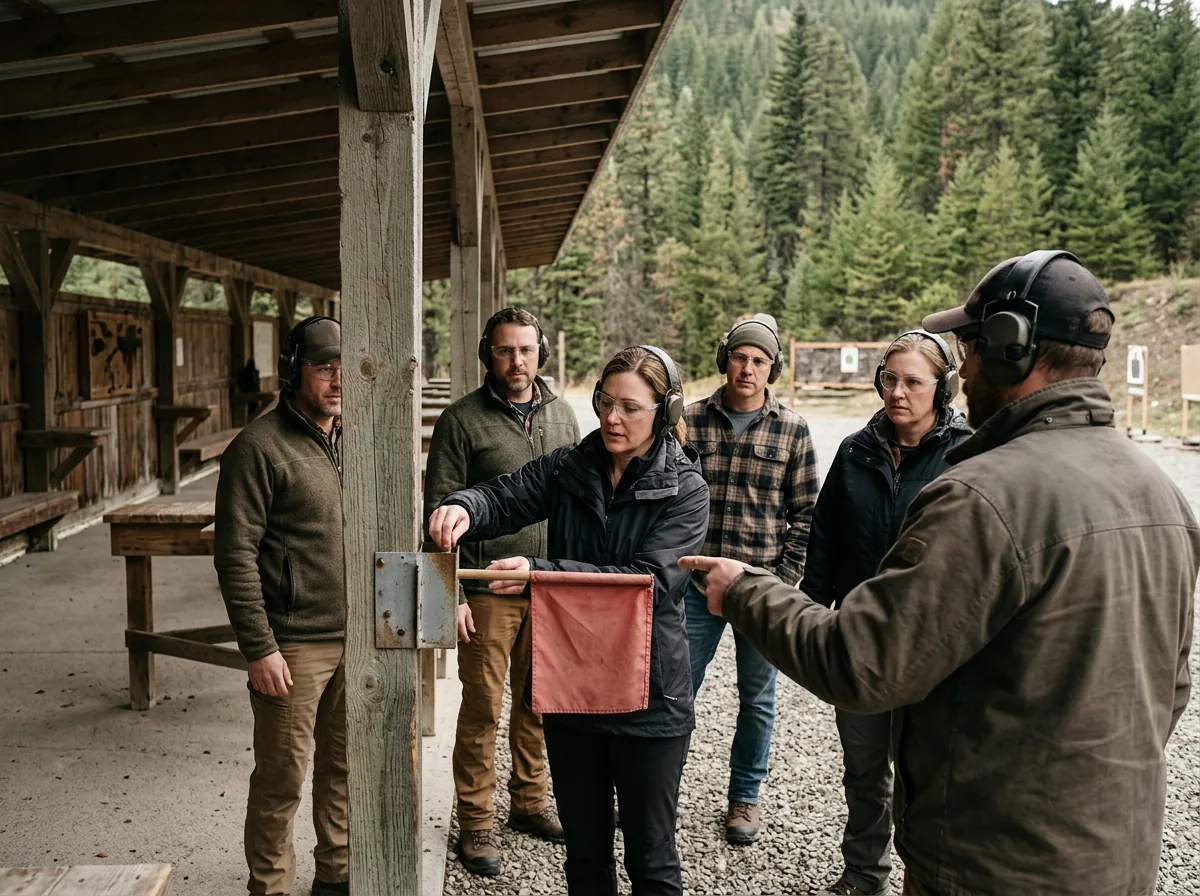
No live fire
No live-fire component
Range Orientation is about the facility and the people, not about shooting. There is no live-fire element and no examination on firearms handling.
It pairs naturally with the Range Safety Officer course, which builds leadership and range management on the same foundation.
Before and after
Make the most of your visit
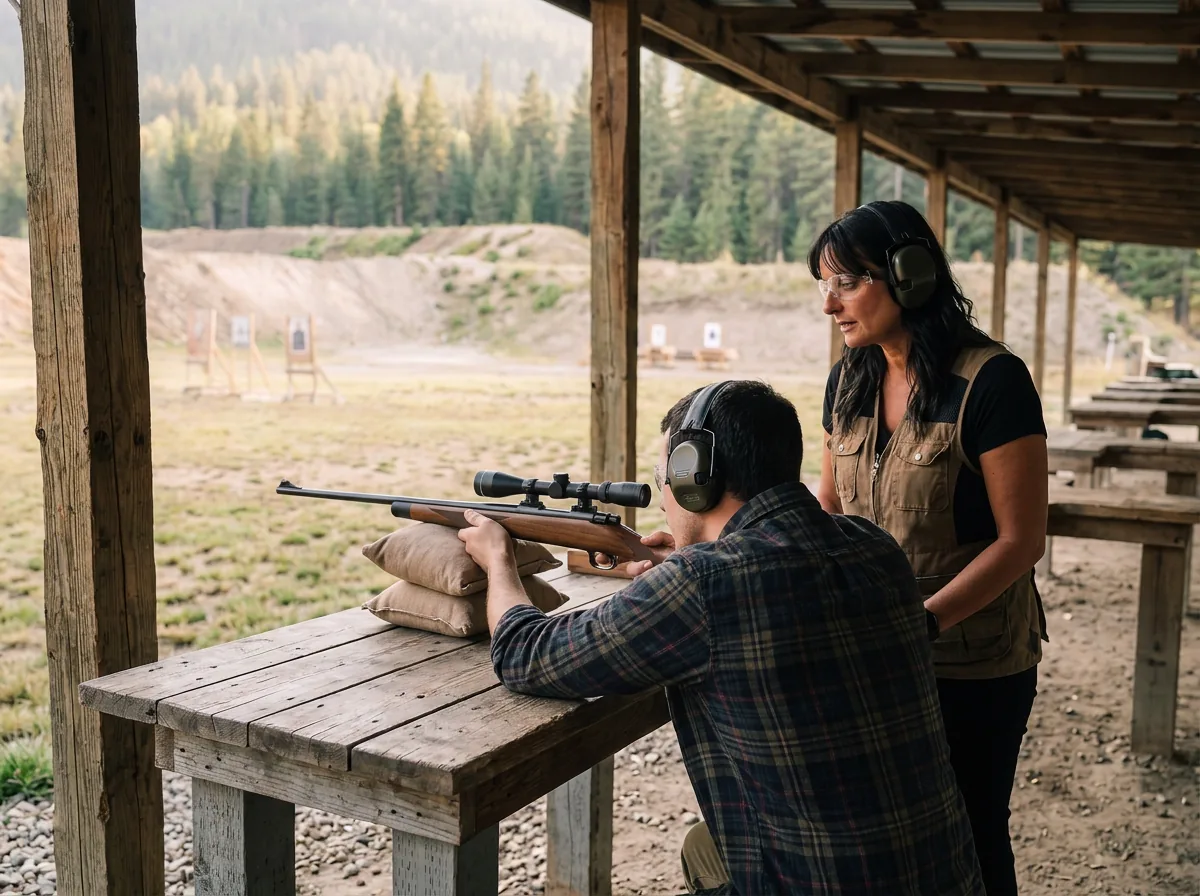
Take a live-fire course
Put the protocols into practice with a supervised Intro To course at the range.
Range Safety Officer
No live fire
Take the next step: manage a firing line, handle malfunctions and lead safely.
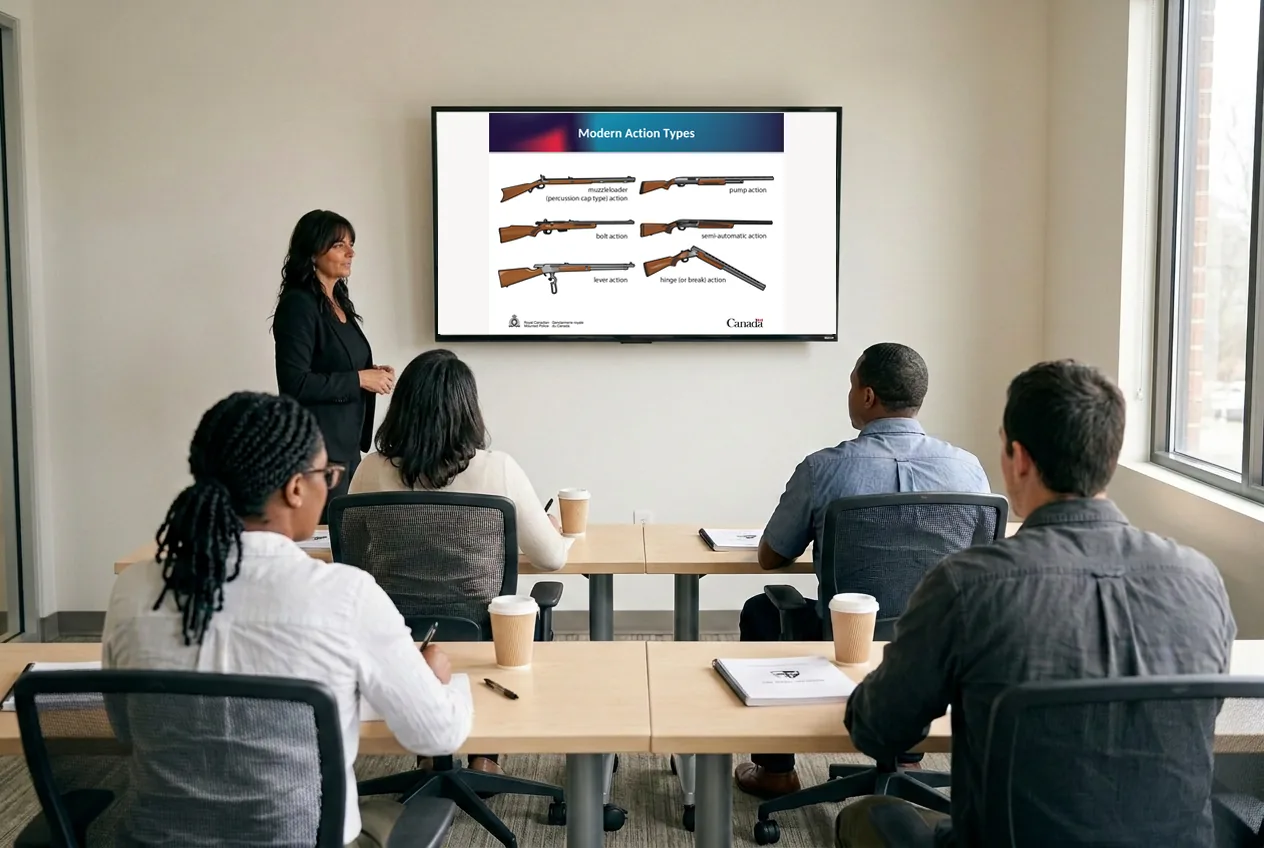
Still need your license?
The CFSC and CRFSC are the federally mandated first step toward your PAL.
Questions people ask
Range Orientation questions
Do I need my firearm license first?
No. Range Orientation has no licensing prerequisites, and you do not need to have taken the CFSC or CRFSC. You do not need to own a firearm either.
Do I need to bring a firearm?
No. This course has no live-fire component, so there is nothing to bring beyond weather-appropriate clothing and, if you have them, your own eye and ear protection.
How long is the course?
Two to three hours, including a small amount of walking around the range.
Is the course indoors or outdoors?
Outdoors, at the range. Dress for the weather, wear suitable footwear and bring refreshments if you like.
Will other people be shooting while I am there?
Possibly. Other range users may be present and shooting, so be prepared for loud reports from their firearms.
Can I book this privately?
Yes. Range Orientation is available as both a public and a private course. Contact us to arrange a private booking.
Will I be tested?
No. This course is about building confidence and comfort, not passing exams or tests.
Do I need to sign anything?
Yes. Liability waivers are required for all range-based courses.
Upcoming firearms courses
All courses are pre-booked, so secure your seat ahead of time.

Proudly supporting
Proud business members of the CCFR
We are proud business members of the CCFR, and we credit them as the primary organisation responsible for opposing the continued constraints on Canadian firearms owners pushed by the federal government.
We strongly urge all firearms owners and enthusiasts to support the CCFR through membership and to purchase the legal insurance available to all members.
Ready to step onto the range?
Book your Range Orientation seat, or talk to us about the live-fire courses that come next.