
Hunting course
Learn To Hunt
Hunting is more than luck. It is a skill you can learn and master, and we teach you how to hunt with confidence, precision and responsibility.

At a glance
Everything you need to know before you book
Format
Classroom-based modules, with additional species-specific modules available.
Length
1 day.
Prerequisites
None. There is no minimum skill level required.
Age
10 years and over
Language
Taught in English only.
Goal
Help hunters understand the general fieldcraft involved with hunting most species found in BC.
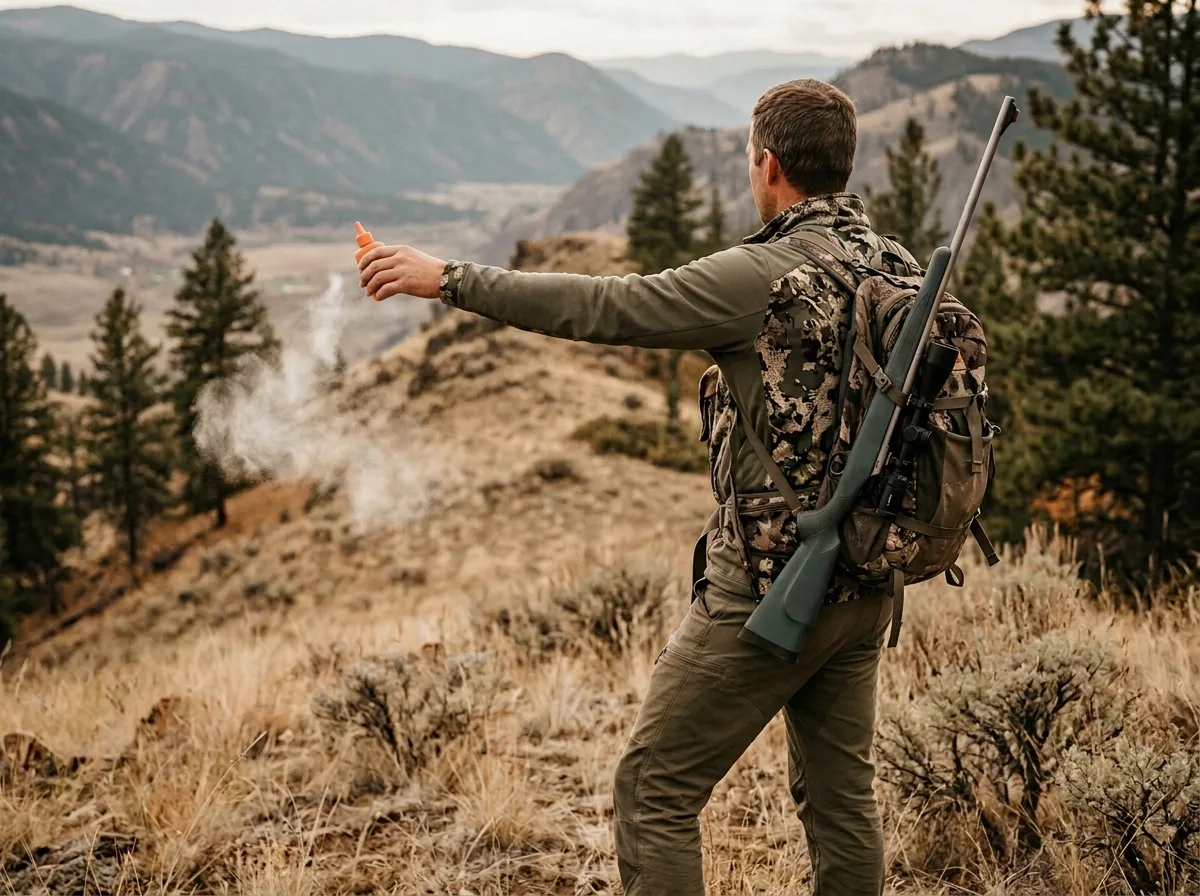
We know fieldcraft
Reducing your reliance on luck
Hunting is more than luck. It is a skill you can learn and master to give yourself repeatable success. At On Point Training, we teach you how to hunt with confidence, precision and responsibility so you can reduce your reliance on luck.
The CORE Hunter Education Course addresses hunting ethics and safety, but it does not teach how to hunt. That is where our Learn To Hunt program comes in. Developed to fill the gap in available resources, this modular course teaches the essential fieldcraft skills needed to become a consistently successful hunter.
Many hunters rely on luck, and some hesitate to help newcomers because they lack confidence in their own abilities. Our program is designed to change that mindset by teaching the tried-and-tested system of being prepared, in the right place, at the right time.
Confident hunters are not only more likely to enjoy their experience, they also make ethical choices that preserve wildlife populations for future generations.
Where this fits
A path built on iteration
Learn To Hunt is designed for iterative learning: general concepts first, then repeated cycles of feedback, experimentation and refinement.
1
CORE Hunter Education
Ethics, safety, regulations and wildlife identification, plus the exams you need for your FWID.
2
Learn To Hunt
Fieldcraft fundamentals: scouting, air movement, scent control and field dressing.
3
Species modules
Add species-specific training for the game you want to pursue, such as deer, elk or waterfowl.
Hunting is extremely dynamic, with variables from past weather and hunter pressure to disease and predation. There is no one-size-fits-all approach to hunting, so there cannot be a one-size-fits-all training solution.
Course outline
What you will cover
Foundational fieldcraft, taught through classroom-based modules.
Scouting
Air movement
Scent control
Field dressing
Being prepared: planning, preparation and kit
Ethics, responsibility and the future of wildlife populations
The right place: identifying where to be for each species
The Plan, Do, Study, Act cycle for continual improvement
The right time: identifying when to be there
Animal behaviour patterns
What to expect
Learning how to learn
Our Learn To Hunt course teaches students how to become repeatably successful hunters by focusing on the process of continual learning, rather than simply telling you where to find an animal on a given day. Hunting is not just a skill: it is a journey of refinement, adaptation and growth.
Central to our approach is iterative learning, often called the Plan, Do, Study, Act (PDSA) cycle. If you have never heard of it, do not worry: we introduce and explain the concept during the course. By understanding the cycle, students learn how to analyse their experiences, refine their strategies and improve their outcomes over time.
The course does not teach you how to hunt in the traditional sense. It teaches you how to learn to hunt. That difference is crucial: learning to hunt is about developing the tools and mindset needed for continual improvement through experience and iteration, so you can begin your journey from an advanced starting point.
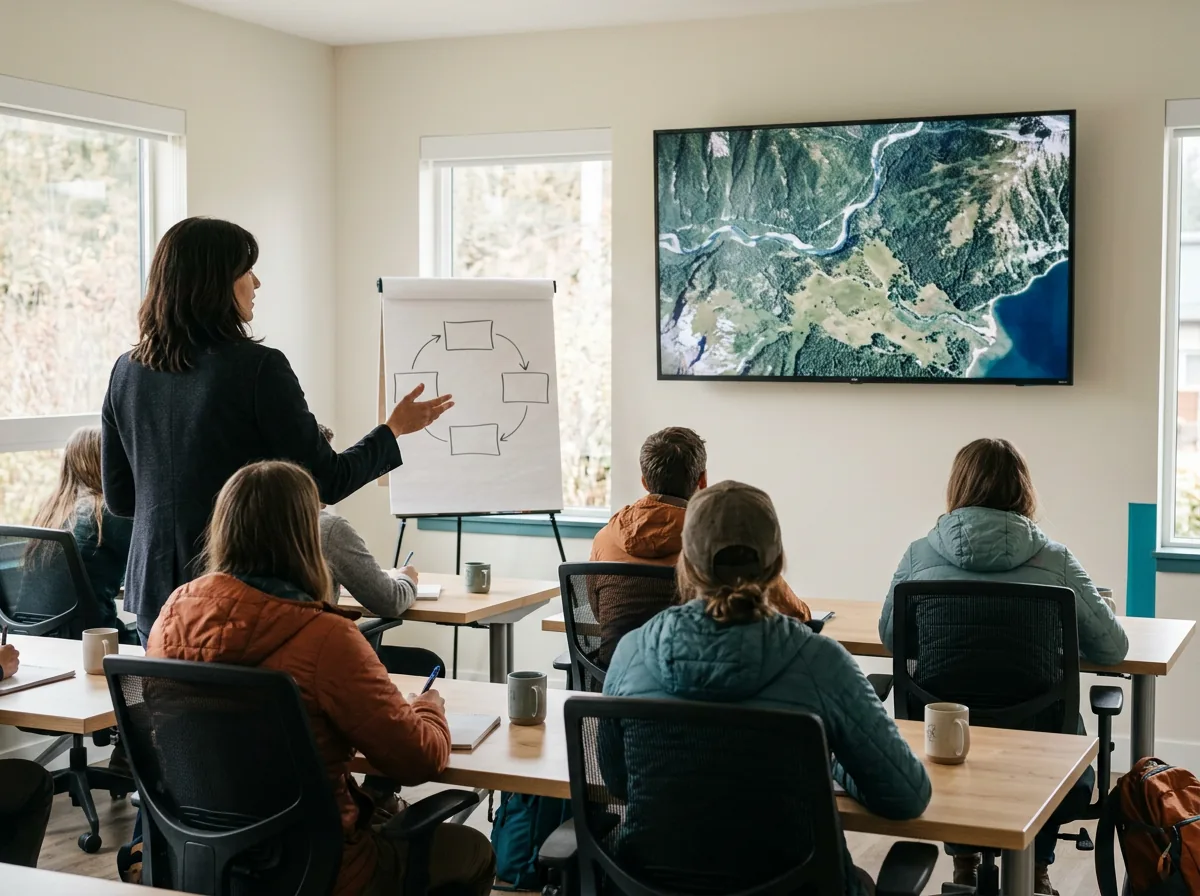
Modular
Build your own path
Learn To Hunt is modular. Start with the foundational fieldcraft modules, then add species-specific training courses for the game you want to pursue.
Hunting is extremely dynamic, with variables such as past weather, current weather, hunter pressure, disease and predation. There is no one-size-fits-all approach to hunting, so there cannot be a one-size-fits-all training solution.
Where to next
Keep building your knowledge
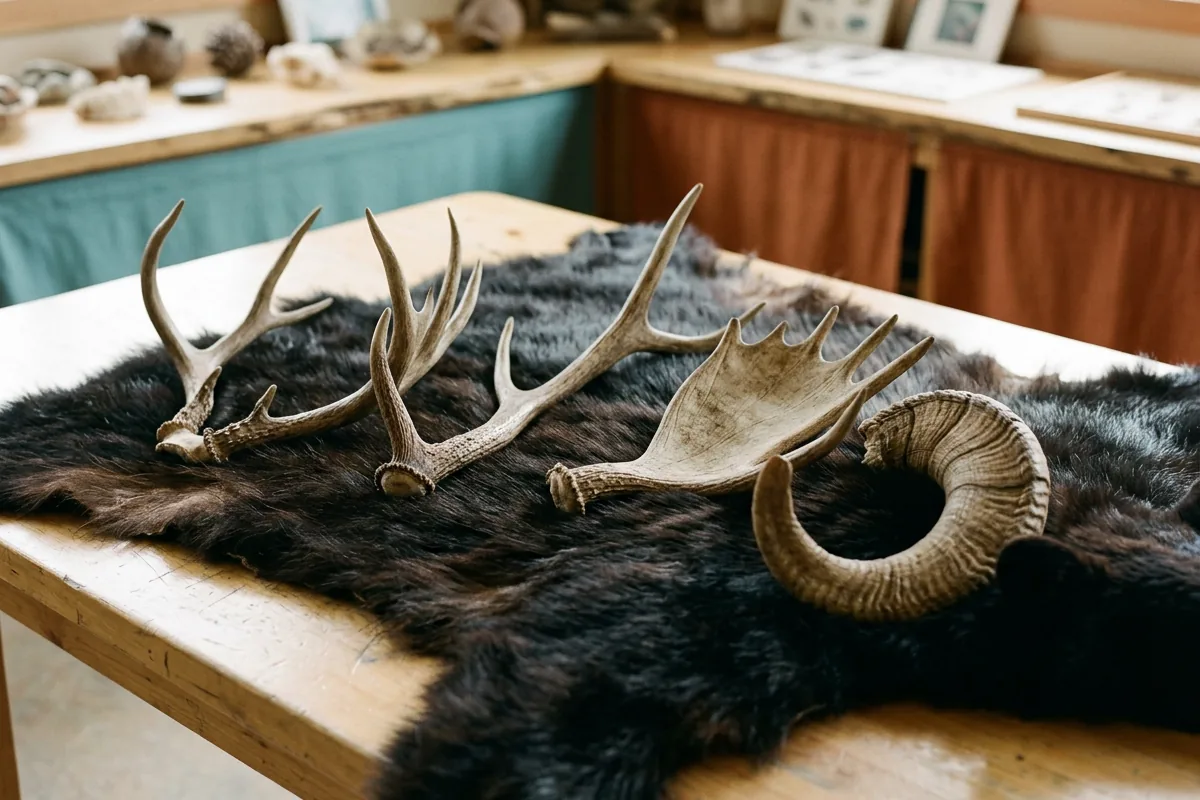
CORE Hunter Education
The mandatory first step for BC hunters: conservation, ethics, wildlife identification, regulations and the exams.
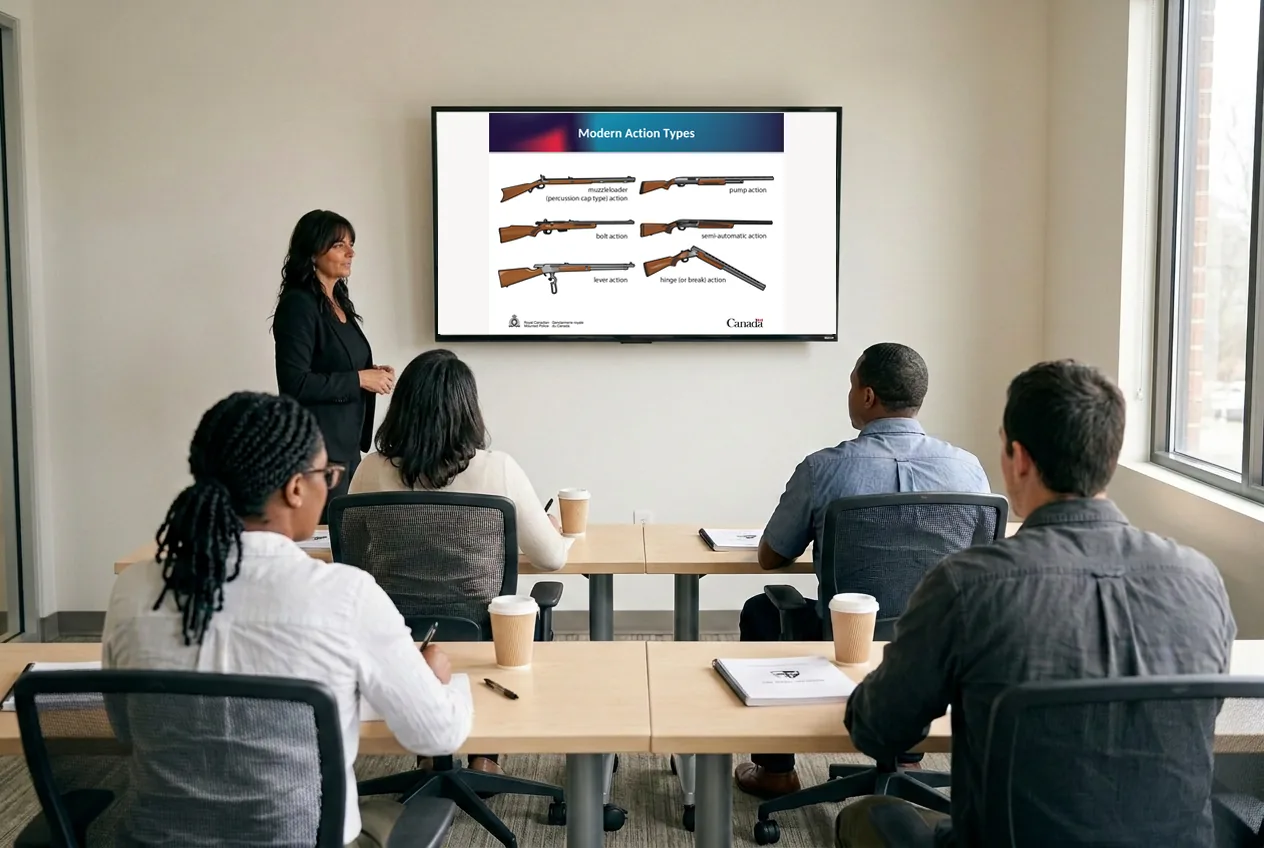
Firearms safety courses
The CFSC and CRFSC, the federally mandated first step toward your PAL.
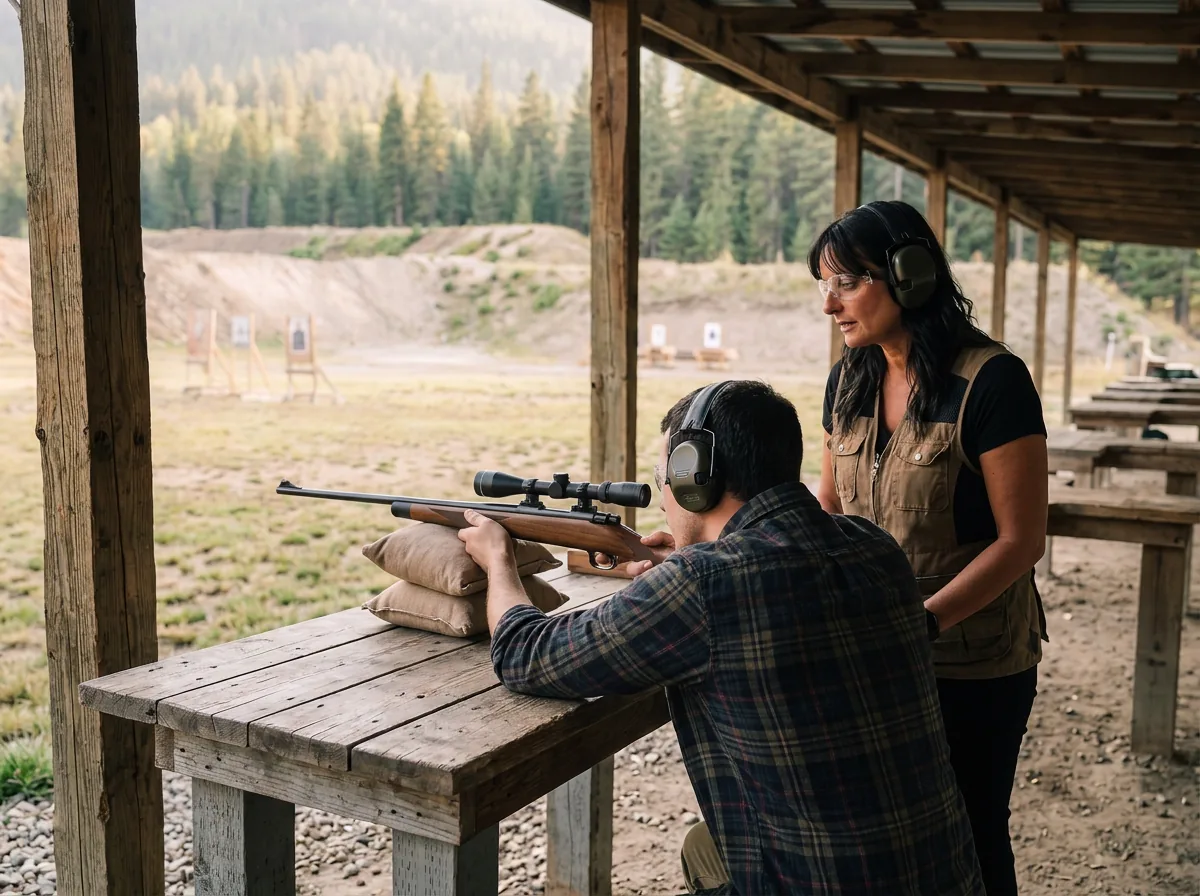
Live-fire courses
Group and 1:1 live-fire training, from your first shot through to advanced skills.
Questions people ask
Learn To Hunt questions
Do I need to take CORE first?
CORE covers hunting ethics and safety, but it does not teach how to hunt. Learn To Hunt picks up where CORE leaves off. Contact us and we will help you sequence the two.
Do I need any experience?
No. There is no minimum skill level required.
How long is the course?
The initial Learn To Hunt course is 1 day.
Is it classroom-based or in the field?
This is a classroom-based course.
Which species are covered?
Learn To hunt takes a generic approach to the fieldcraft necessary for hunting most species in BC. Some species have unique aspects to the hunt that will be covered by shorter, specific modules released in the near future.
Do I need to bring a firearm?
No. This is a classroom based-course.
Can I book this privately?
Yes. This course is available to book privately.
Will I be assessed?
There are no exams or tests associated with this course. Only yourself and the animals you pursue will assess how well you perform.
Upcoming hunting courses
All courses are pre-booked, so secure your seat ahead of time.
Learn to hunt with confidence
Book a seat on the next Learn To Hunt module, or ask us how it fits with CORE.