
Range course
Range Safety Officer
Go beyond safe shooting and learn to run a firing line: enforce the rules, communicate clearly and take the lead on the range.

At a glance
Everything you need to know before you book
Length
Typically 2 - 3 hours.
Class size
Small groups with a typical cap of six per session.
Prerequisites
None, though Range Orientation is strongly recommended first. No live-fire experience is needed.
Format
Outdoor, at the range, with a small amount of walking. Dress for the weather.
Live fire
No. This course has no live-fire component.
Goal
Understand what is involved with range safety procedures, safe operation and effective communication between users.
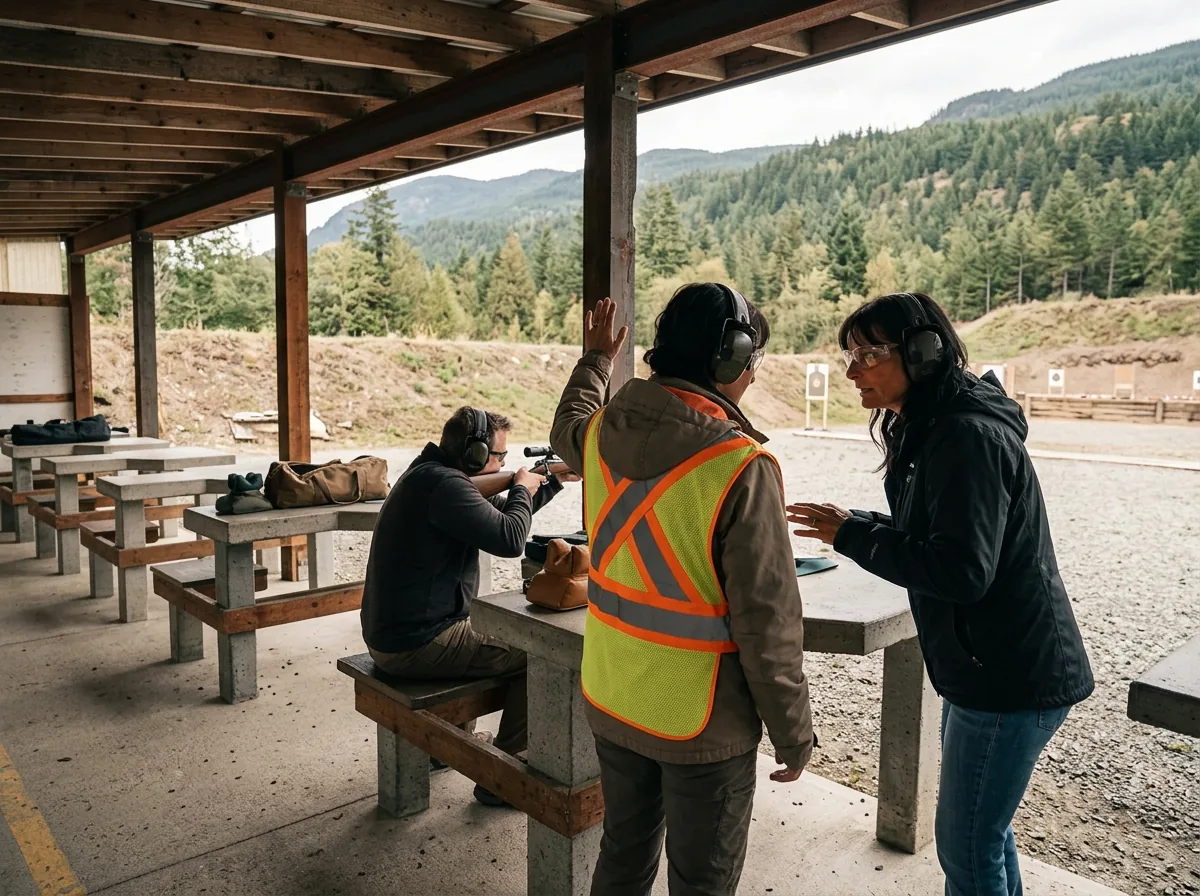
We know leadership
Safety is everyone's job. Leadership is someone's
A safe range is not an accident. It is the product of people who understand the rules, watch the line, communicate clearly and act before small problems become big ones.
The Range Safety Officer course is for the shooter who wants to take an active role in managing range operations, ensuring the rules are safely followed, and handling emergencies.
You will cover the responsibilities of a range safety officer, range rules, commands, emergency procedures and shooter management, then put it all together in practical scenarios to build confidence.
Like every range-based course we run, this one is deliberately small: instruction stays personal and supervision stays close.
Our instructors bring decades of combined firearms and training experience, including running live-fire ranges.
Where this fits
From shooter to range leader
A short, natural path from learning the range to leading it.
1
Range Orientation
Learn the protocols, etiquette and safety practices that make a range run smoothly.
2
Range Safety Officer
Take responsibility for the line: commands, rules, troubleshooting and emergencies.
3
Lead with confidence
Bring the skills back to your club, your group or your own range days.
Range Orientation is not a formal prerequisite, but it covers the same foundation and pairs naturally with this course.
Course outline
What you will cover
Classroom content and practical work at the range.
Responsibilities of the range safety officer
Range safety rules and regulations
Personal protective equipment (PPE) requirements
Range commands and communication
Briefing and debriefing shooters
Assessing range conditions and other shooters
Loading, unloading and malfunction handling under supervision
Managing multiple shooters on a firing line
Emergency procedures and incident response
Practical scenarios and assessment
What to expect
Practical, hands-on leadership
Expect a mix of classroom content and time on the range, where you will practise range commands, briefings and scenario management rather than simply listen.
The course finishes with practical scenarios and an assessment, so you leave with a realistic picture of what running a line actually involves.
This is an outdoor course with a small amount of walking. Dress appropriately for the weather and bring a notepad.
PPE: bring your own eye and ear protection if you have it; it will be provided if you do not.
Waiver: liability waivers are required for all range-based courses.
Public or private: this course runs as both. Contact us to book it privately.
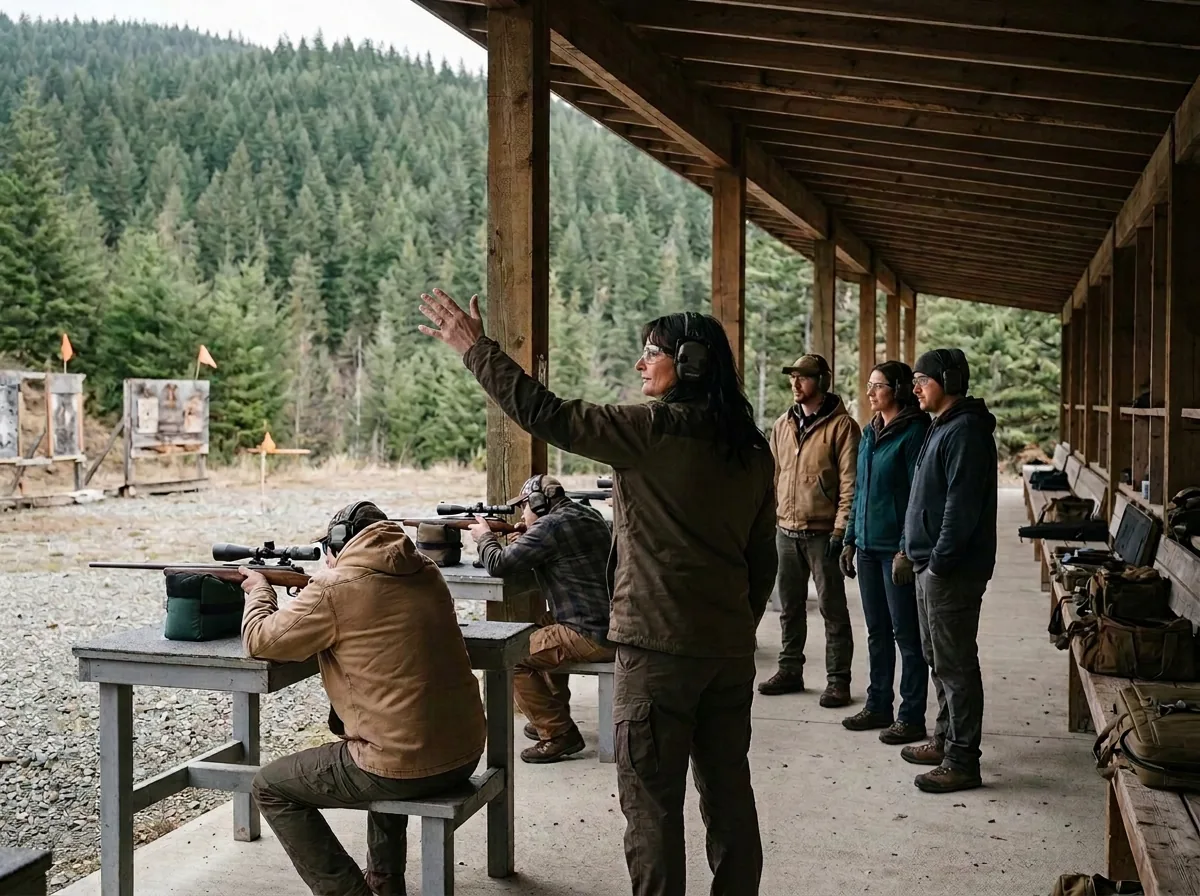
No live fire
No live-fire component
This course is about managing people and ranges safely, not about shooting. There is no live-fire element.
You will still handle firearms safely in practical scenarios, under supervision, using the same fundamentals taught in every range-based course.
Before and after
Build on the foundation
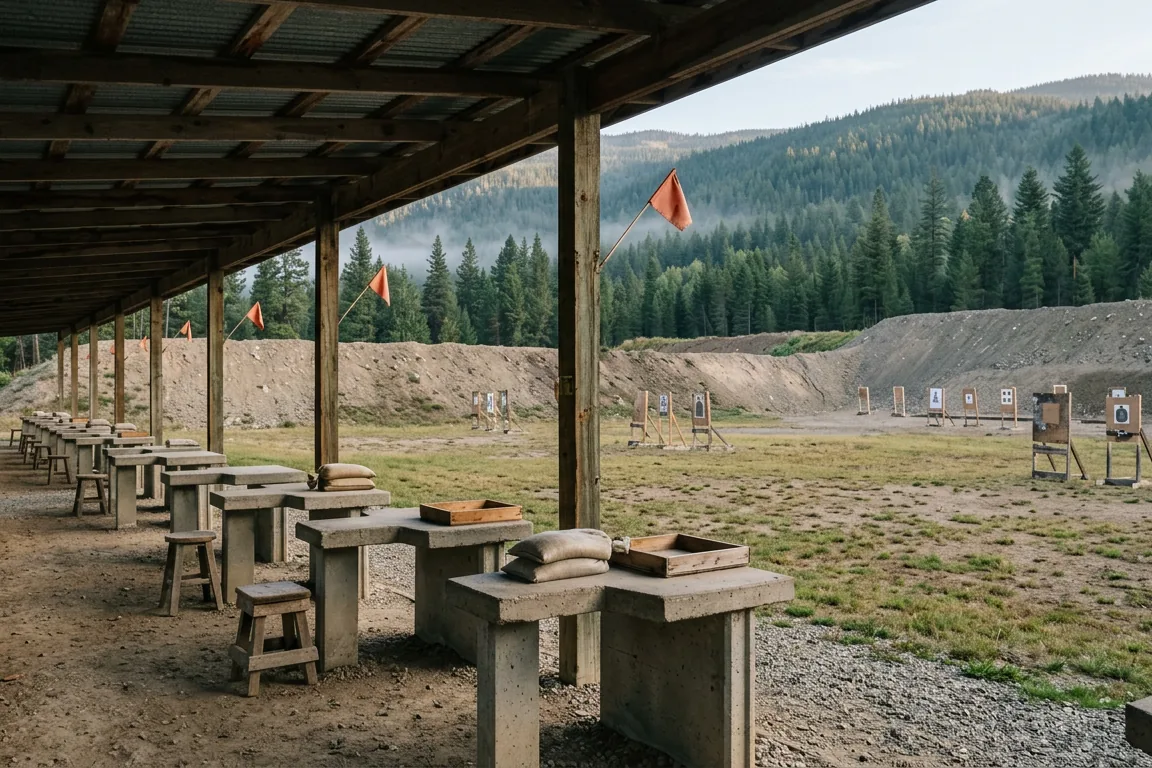
Range Orientation
No live fire
The foundation course: protocols, etiquette and safety practices for the range.
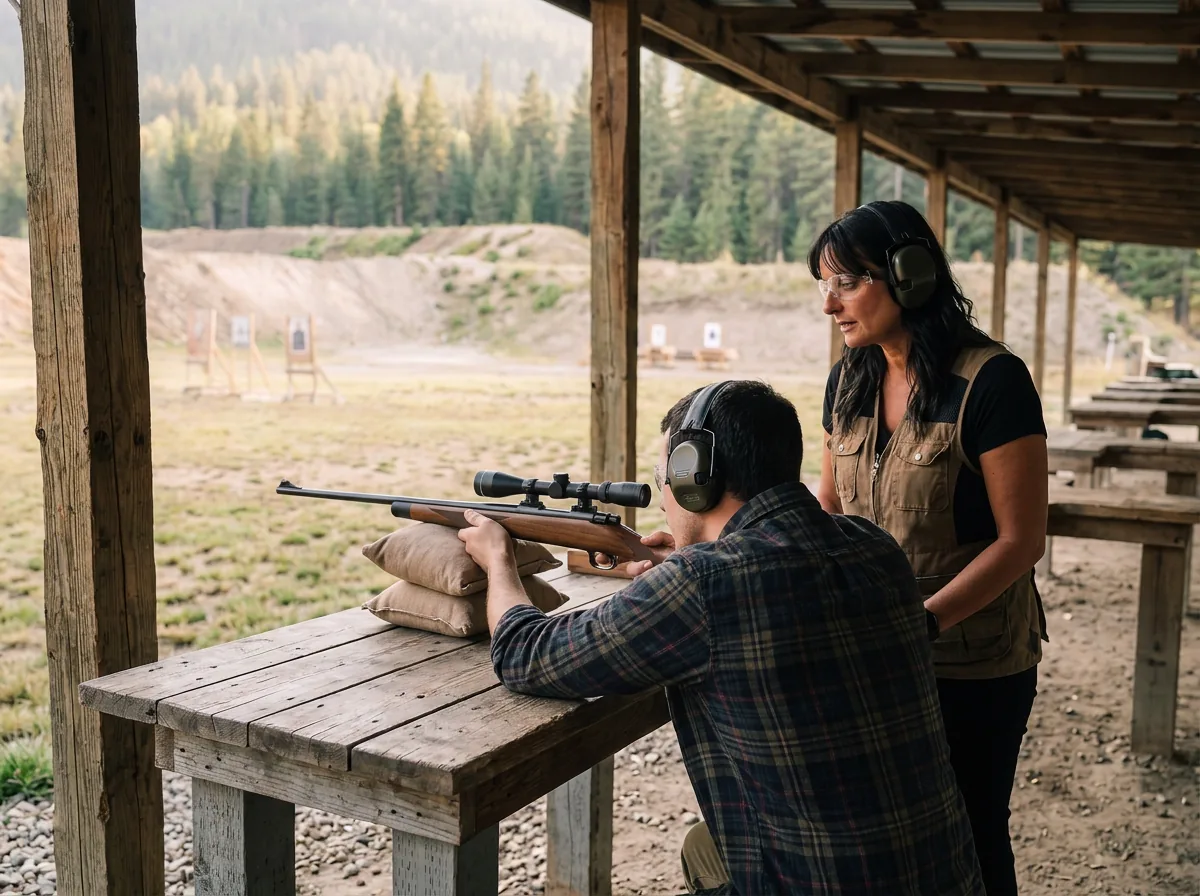
Take a live-fire course
Sharpen your own shooting with a supervised Intro To: course at the range.
Still need your license?
The CFSC and CRFSC are the federally mandated first step toward your PAL.
Questions people ask
Range Safety Officer questions
Do I need prior range experience?
No. The course assumes no live-fire experience, though Range Orientation is strongly recommended first because it covers the same foundation.
Is there live fire in the course?
No. The course has no live-fire component. You do handle firearms safely in practical scenarios, under supervision.
Will I be assessed?
The course includes practical scenarios as part of the course content, giving the opportunity to experience curated live experiences, but there is no formal assessment.
How long is the course?
Typically 2 - 3 hours for most students.
Is this a certified range officer qualification?
Canada does not have formal certification program for Range Safety Officers.
Is it indoors or outdoors?
Outdoors, at the range, with a small amount of walking. Dress for the weather.
Can I book this privately?
Yes. Contact us to arrange a private booking for your club or group.
Do I need to sign anything?
Yes. Liability waivers are required for all range-based courses.
Upcoming firearms courses
All courses are pre-booked, so secure your seat ahead of time.

Proudly supporting
Proud business members of the CCFR
We are proud business members of the CCFR, and we credit them as the primary organisation responsible for opposing the continued constraints on Canadian firearms owners pushed by the federal government.
We strongly urge all firearms owners and enthusiasts to support the CCFR through membership and to purchase the legal insurance available to all members.
Take the lead on the line
Book your Range Safety Officer seat, or ask us how it fits with the rest of your training.